You Deserve Support That Takes Grief Seriously
Losing someone you love changes everything. Grief is not a problem to be fixed or a phase to push through quickly. It is one of the most human experiences there is, and it deserves real attention, real time, and someone who genuinely understands it.
Rob Smith is a counsellor in Grande Prairie who has spent decades specializing in grief and bereavement. He has trained under some of the most recognized grief therapy experts in North America, including Dr. Alan Wolfelt, Dr. Theresa Rando, and Dr. Jane Simington to mention a few. That depth of training is not common. And it means that when you sit down with Rob, you are working with someone who has made grief his life's work, not a generalist who covers it as one of many topics.
Whether you have just experienced a loss or have been carrying grief for years without quite knowing how to set it down, this is a place to start.
Grief and Bereavement Counselling Services in Grande Prairie
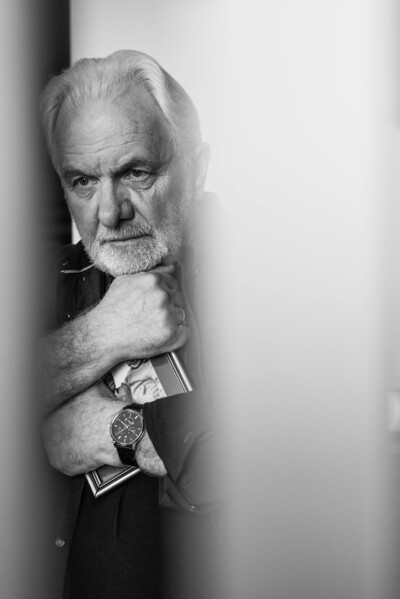
Grief and loss can feel deeply isolating
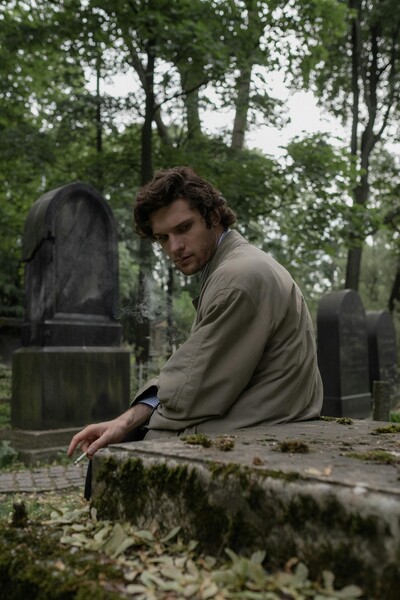
Grief rarely feels “normal” while you are living through it.

I offer grief and bereavement counselling in Grande Prairie, Alberta
What Grief Actually Looks Like
Grief does not always look the way people expect.
Most people picture grief as sadness, tears, a period of mourning that eventually ends. But grief shows up in many different ways. It can feel like anger, numbness, exhaustion, guilt, relief, or a strange combination of all of them. It can pull you away from people you love. It can make ordinary tasks feel impossible. It can resurface years after a loss, triggered by a song, a season, or an ordinary Tuesday.
One of the things Rob hears often from clients is that grief is "crazy-making," like you are losing control, or like something is wrong with you. It is not. Most people simply have never been taught what grief truly involves: the full range of emotions, physical reactions, and unexpected thoughts that are all a normal part of the experience. Understanding that can bring real reassurance and reduce the fear that something has gone wrong.
There is also grief that comes from losses that are not always recognized, the loss of a relationship, a role, an identity, a sense of the future you thought you had. Rob believes deeply that grief is not limited to death. The pain that can come from job loss, a move, the end of a friendship, or estrangement within a family is significant and real, even when the world around you does not always treat it that way.
If any of this sounds familiar, you are not broken. You are grieving. And support is available.
The vast majority of people will experience what is considered a normal grief response. While some individuals seem to navigate their grief with relative ease, others may find the journey much more challenging. For a small percentage of people, grief can become more complicated and overwhelming, making it difficult to move forward without additional support.
Rob's Approach
Grief counselling that meets you where you are.
Rob does not see people as broken, even when grief has left them feeling that way. His role, as he describes it, is to walk alongside clients with compassion, patience, and understanding, not to fix them or rush the process.
He draws on a multi-model framework, bringing different tools and methods together based on what each person actually needs. His training under Dr. Alan Wolfelt, Dr. Theresa Rando, and Dr. Jane Simington, three of the most respected voices in grief therapy, gives him a depth of knowledge that goes well beyond standard counsellor training. But he will be the first to tell you that the most important part of grief work is not any particular technique. It is the relationship itself.
In practice, that means sessions feel like real conversations, not clinical assessments. It means you can say the things that feel too dark, too complicated, or too strange to say to family and friends, the grief, the fears, the anger, the relief, without judgment. It means a pace that is yours to set, and a counsellor who will not tell you how long grief is supposed to last or when you should be over it.
Rob often thinks of what one of his mentors Dr. Simington called "soul pain," a hurt that touches the deepest part, the core of a person. He has witnessed it often in his work, and it has shaped the way he shows up: fully present, genuinely warm, and committed to creating a space where clients feel supported and not alone.
Rob has lived in Grande Prairie for decades. He has raised his family here, been involved in the community, and worked alongside families navigating loss in all its forms. That kind of rootedness matters.
Types of Loss
Grief counselling for many kinds of loss.
Rob works with clients navigating a wide range of experiences:
- Death of a parent, spouse, child, sibling, or close friend
- Pregnancy loss and infant loss
- Loss by suicide or homocide
- Grief expericed by the expected death through illness (palliative death)
- Loss esperienced by the gradual changes that come with a dementia diagnosis,
- Grief experienced by caregivers and first responders
- Pet loss
- Loss from relationship breakdown, divorce, separation, or estrangement
- Grief related to major life transitions, such as retirement, job loss, or the end of a role that shaped your identity
If you are not sure whether what you are experiencing is grief or something else, that is okay. Part of the work is figuring that out together.
What to Expect
Starting grief counselling in Grande Prairie.
Starting counselling can feel like a significant step, especially when you are already carrying something heavy. Here is what the process typically looks like.
First, you book an initial session. Rob offers both in-person sessions in Grande Prairie and virtual sessions for clients across Alberta. The first meeting is mostly about getting to know each other and understanding what has brought you in.
From there, you set the pace. Some people come weekly; others come less frequently depending on where they are in the process. There is no fixed timeline. Sessions are for 60-90 minutes so as not to feel as rushed.
Rob's style is relaxed and conversational. He often describes finding the right counsellor as being a bit like finding the right pair of running shoes: if the fit is not right, it does not matter how good the shoe is you'll still end up with shin splints. That fit is something you will know in the first session.
Why Grief Counselling Helps
You do not have to carry this alone.
Grief is hard enough. Carrying it in isolation makes it harder. Working with a counsellor who specializes in loss can help in ways that are difficult to predict before you try it.
Learning about grief can be incredibly helpful. Understanding what is a normal part of the grieving process—and what may need additional support—can reduce feelings of overwhelm and ease fears that you are "going crazy." Grief affects everyone differently, and having information, guidance, and reassurance can help you make sense of the many emotions, thoughts, and reactions that often accompany loss.
Working with a counsellor who specializes in loss gives you something that is difficult to find elsewhere: a safe space, within those four walls, where you can speak openly about whatever you are carrying, the thoughts, the emotions, the fears, the things that feel impossible to say out loud to the people around you, and be met with acceptance rather than judgment.
Many people who come to grief counselling are surprised by how much lighter they feel after a few sessions, not because the grief disappears, but because they are no longer holding it alone.
Frequently Asked Questions
There is no set timeline. Some people come for six to eight sessions; others work together over many months. It depends on the nature of the loss, what else is happening in your life, and what you want from the process. Rob will check in with you regularly about how things are going.
Yes. Rob offers virtual sessions for clients across Alberta, in addition to in-person sessions in Grande Prairie. Virtual sessions work well for many people, especially those in smaller communities or with busy schedules.
That is a completely normal place to start. Sometimes grief shows up as depression, anxiety, numbness, or even physical symptoms. Rob can help you sort through what is going on and figure out what kind of support makes the most sense.
