.jpeg)
When a Small Town Hurts: Reflections on Loss and Hope
In the past few weeks, many of us have struggled to wrap our minds and hearts around the heartbreaking tragedy in Tumbler Ridge. If you are anything like me, the first few days felt surreal. My thoughts kept circling back to it again and again. I found myself in disbelief, asking over and over: How could something like this happen in a small, quiet, rural town in remote British Columbia?
There is something about close-knit communities that makes them feel protected — as though tragedy belongs somewhere else. We tend to believe that rural places like Tumbler Ridge are somehow insulated from the darker realities of the world. When something unimaginable happens, it shakes not only the community itself, but also our collective sense of safety and understanding.
The Shock, the Grief, and the “Why”
In the days following the tragedy, I noticed my mind revisiting other painful situations I had encountered during my years working in victims’ assistance and throughout my private practice supporting individuals through grief, bereavement, and trauma. I remembered the depth of sorrow families carry. The quiet devastation. The long road that follows.
The pain being experienced by residents, families, and friends right now is truly unimaginable. And I say that knowing I am removed from it geographically and personally. If I feel this heaviness from a distance, I cannot begin to comprehend the depth of what those directly affected are carrying.
Being human — and having empathy — means we feel alongside others. We hurt for them. We ache with them.
And almost all of us ask the same question: Why?
We search for meaning because our minds want order. We want something that makes sense of the senseless. Yet sometimes, especially in the early days of trauma, there are no answers that feel sufficient. The “why” may be explored for months and even years to come. For many, the answers may shift over time as healing unfolds.
What I do know — even with knowing few details — is that situations like this are rarely simple. They are layered, complex, and often rooted in factors far broader than we initially see. It can be tempting to place blame on a specific group, or community. But tragedies of this magnitude are rarely caused by one single factor. They reflect deeper, more complicated realities that take time and care to understand.
Rural Communities and Limited Resources
One reality we cannot ignore is that rural communities often operate with very limited mental health and crisis support resources. Smaller towns frequently face shortages in accessible counseling, specialized trauma services, and long-term grief support.
As Tumbler Ridge moves forward, my sincere hope is that adequate resources will be made available to support the complicated and evolving needs of those most impacted. Trauma does not resolve in weeks. Grief does not follow a straight line. Healing requires sustained care, community support, and professional guidance over time.
The Long Road of Grief and Trauma Healing
Having worked extensively in the areas of grief, bereavement, and trauma, I know this: healing from a tragedy like this will take years. The kind of loss that touches a community so deeply affects people at the core of their being. It settles into the soul, the fabric of an individual and community. It reshapes how people experience safety, trust, and even daily life.
The work of healing can be long, hard, and at times excruciatingly painful.
And yet — I also know something else.
The human spirit holds an incredible capacity for resilience.
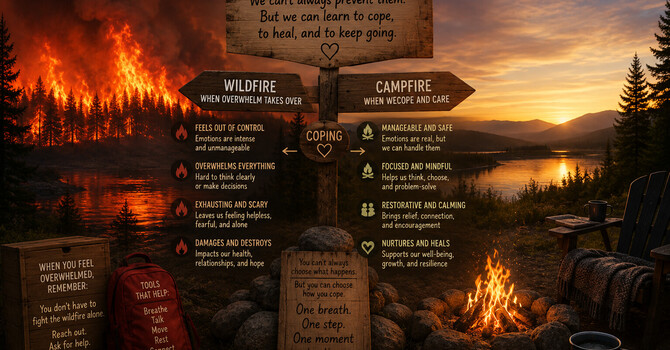
In the early days following tragedy, it can feel almost impossible to believe that healing is even possible. Hope may feel distant. But I have witnessed resilience again and again in my practice. I have seen individuals and families walk through profound sorrow and, over time, rediscover moments of light. Not because the pain disappears — but because they learn to carry it differently.
Healing does not mean forgetting.
Healing does not mean minimizing what happened.
Healing means slowly integrating the loss into life in a way that allows for meaning, connection, and even joy to return.
The Power of Community Support
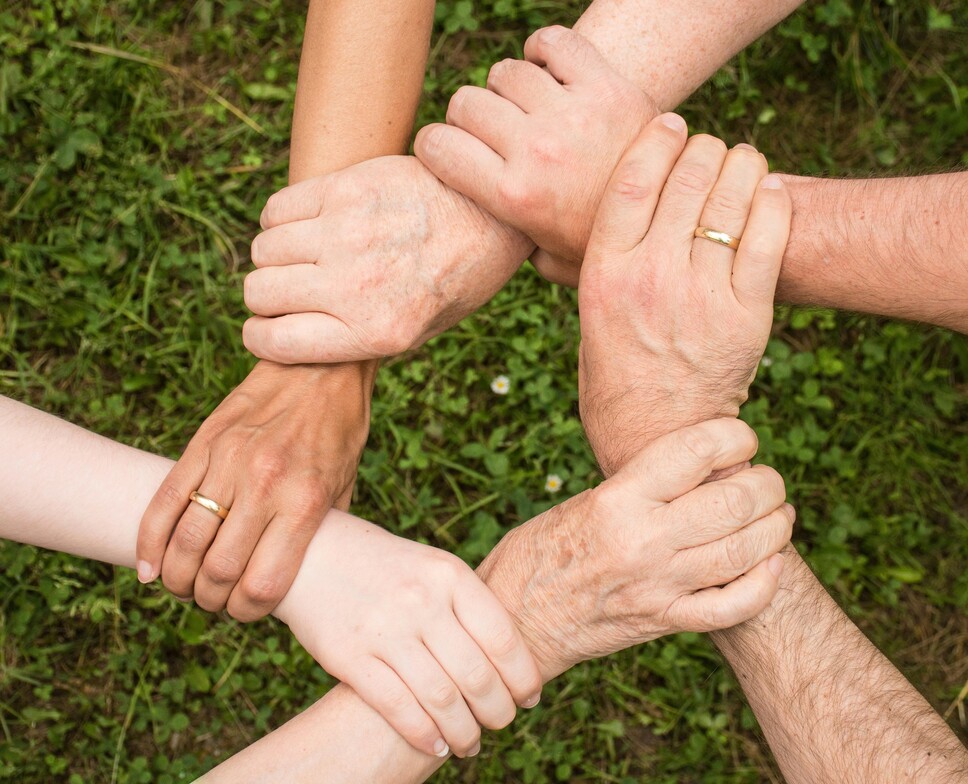
Community plays a powerful role in this process.
It is often those around us — friends, neighbours, extended family, and even strangers — who help steady us when everything feels unsteady. Support can take many forms:
- Checking in with someone who may be struggling
- Offering practical help
- Holding space for tears and silence
- Simply showing up
Even sending love, prayer, or healing intentions toward a grieving community matters. While it may seem small, collective care has a ripple effect. It reminds those suffering that they are not alone.
Supporting others also helps us process our own emotions. When we reach outward with compassion, it can prevent us from becoming overwhelmed by helplessness. Offering light and love, in whatever way feels meaningful to you, can gently restore a sense of hope — something we all need during times like this.
Moving Forward With Compassion
As we continue to process this tragedy in Tumbler Ridge, it is important to be gentle with ourselves. Shock, sadness, anger, confusion — all of these reactions are normal. There is no “correct” way to grieve a community loss.
If you find yourself struggling, please know that reaching out for support is not weakness — it is strength. Whether through professional counseling, community gatherings, faith communities, or trusted relationships, connection is part of healing.
In times of darkness, we lean on one another.
And slowly, together, we find our way forward.
My heart continues to hold the residents, families, and friends of Tumbler Ridge in compassion. May they be surrounded by the care, resources, and support they need in the days, months, and years ahead. And may we all remember the quiet strength that lives within the human spirit — even when it feels far away.
.jpeg)
Rob Smith
Contact Me