.jpeg)
Healthy Aging: What to Expect as We Grow Older—Challenges and Unexpected Gifts
A compassionate look at memory changes, physical shifts, and the meaningful positives of later life
As I sit down to write this, I’m still struck by how little I truly know about this whole experience called aging—what it really means to be an older adult. The more I learn, the more fascinating it becomes. And yes, if I’m being honest, a little unsettling too. None of us are guaranteed a future untouched by challenges like dementia, and it’s likely that most of us will experience some level of cognitive or physical change simply through the natural process of aging.
In a previous post, “Aging Is Not for the Faint of Heart,” I touched on this reality. Think of this as a continuation of that conversation—one that focuses on the normal, expected parts of aging. I won’t go too deeply here into conditions like mild cognitive impairment or more advanced forms of dementia; those are important topics, and I’ll explore them in future posts. For now, let’s stay with what many of us will encounter as part of healthy aging.
Lately, I’ve been reflecting on the subtle changes I’m noticing in myself. These are the same little things my children have picked up on—and, of course, the things my teenage grandchildren sometimes tease me about. Thankfully, the youngest ones don’t quite notice yet. But it does make me smile, because I remember doing the exact same thing to my own father. I’d poke fun, make the occasional smart comment, and now here I am on the receiving end. Funny how life comes full circle.
I wouldn’t say those comments offend me, but they do serve as gentle reminders—sometimes not so gentle—that aging is happening. One of the most common changes is mild memory loss. This doesn’t mean anything is wrong. It simply means you might need to rely on lists a little more than you used to, or occasionally forget a name or appointment. Importantly, this kind of memory change doesn’t prevent you from living a productive, independent life.
It’s also completely normal to notice that recall takes a bit longer. Instead of an answer coming instantly, it might take a few extra seconds to surface. The information is still there—it just takes a little longer to retrieve. And who hasn’t had that moment where a word sits right on the tip of your tongue, just out of reach?
Contrary to the old saying, “you can’t teach old dogs new tricks”, the ability to learn doesn’t disappear with age. It may take a bit more time or repetition, but the capacity is still there. In fact, continuing to learn is one of the best things you can do for your brain.
You might also find that busy, noisy environments—like a crowded restaurant—become more challenging. Staying focused on a conversation can be difficult, especially if hearing isn’t what it once was. This can sometimes lead people to withdraw socially, not because they want to, but because it becomes frustrating to constantly ask others to repeat themselves.
And then there are the physical reminders. Whether we like it or not, our bodies start to send clear signals that we’re getting older. Sometimes the brain says, “I’ve got this,” while the body quietly disagrees. I’ve noticed, for example, that I’ve shrunk a bit over the years. I used to stand at 6’3”, and now I’m closer to 6’2”—maybe even a touch less. This is actually quite common, often due to changes in bone density and muscle mass.
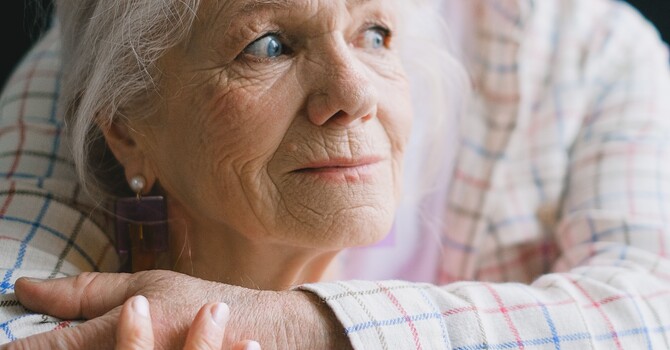
Our skin changes too. It loses elasticity, becomes thinner, and yes—wrinkles begin to make themselves at home. Vision may not be as sharp as it once was. Those pesky floaters can appear, and for some, cataract surgery becomes part of the journey. Hearing changes can also play a big role, especially in social settings, sometimes leaving us feeling unintentionally left out of conversations.
Even food can lose a bit of its magic. Meals we once loved may not bring the same level of enjoyment, which can be surprising and, at times, a little disappointing.
Up to this point, it might sound like aging is all about loss. But that’s only half the story. There are meaningful, positive changes that come with growing older—some of which might even surprise you.
Many people find it easier to focus. There’s often less mental clutter, fewer racing thoughts. With experience comes better emotional regulation, which means less stress and anxiety. It’s that old idea of “not sweating the small stuff.” Over time, we tend to become more comfortable in our own skin. We care less about what others think and more about what truly matters to us.
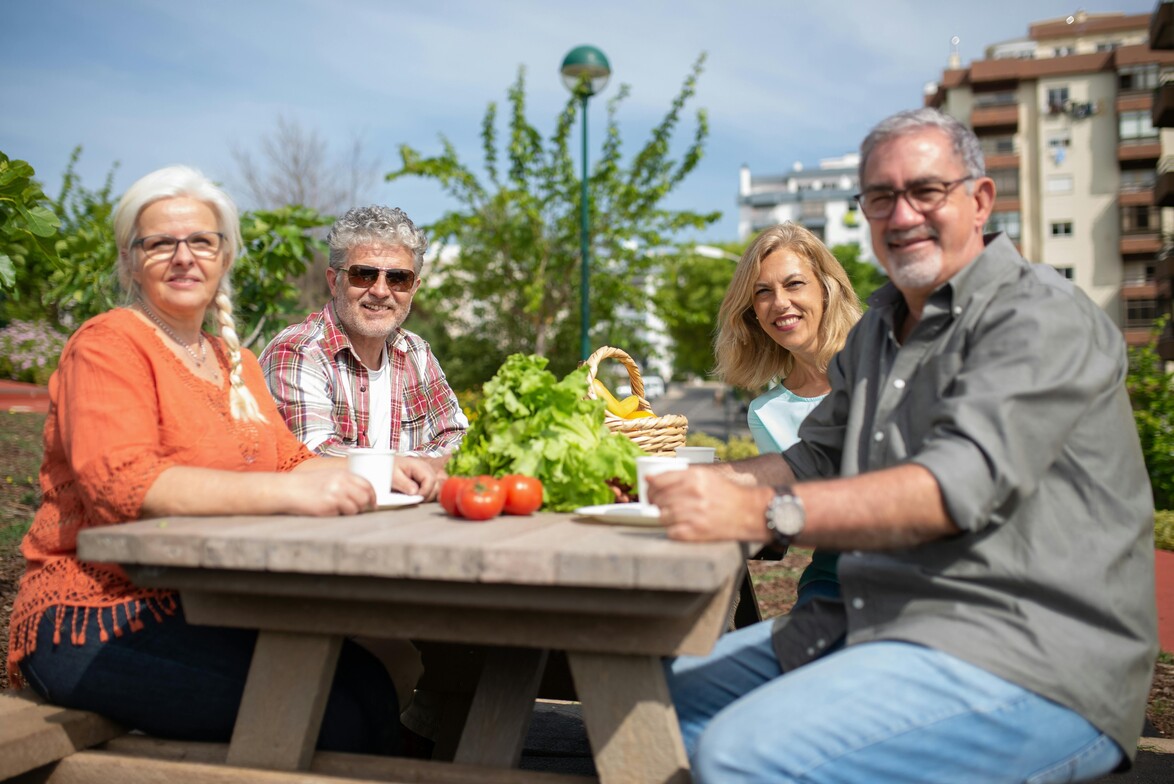
This shift often leads to deeper, more authentic relationships. There’s a sense of “take me as I am,” which can be incredibly freeing. With fewer time pressures from careers or raising families, there’s also more opportunity to explore hobbies, revisit old interests, or discover entirely new passions.
Another beautiful change is an increase in self-compassion. Life experience brings perspective, and with that often comes a kinder, more understanding relationship with ourselves. This is where the idea of wisdom really begins to show—being able to look at life with clarity, balance, and acceptance.
That said, aging well doesn’t happen by accident. It takes intention and effort. If anything, it’s a reminder that taking care of ourselves is a lifelong commitment. Paying attention to physical health is key—regular checkups, monitoring blood pressure and cholesterol, and addressing vision or hearing concerns as they arise.
Staying active is just as important. Aim for 150 minutes of physical activity each week if possible, whether that’s walking, light strength training, or something you genuinely enjoy. The key is to start where you are and build, being patient with yourself along the way.
Keeping your mind engaged matters too. Reading, doing puzzles, taking courses, or learning new skills can all help keep your brain sharp. And perhaps most importantly, staying socially connected plays a huge role in overall well-being. Isolation can lead to depression and cognitive decline, while meaningful connection supports both mental and emotional health.
Interestingly, newer research suggests that consistently focusing on these healthy habits can actually reduce the risk of cognitive decline and dementia. That’s encouraging news—not just for those of us already in this stage of life, but for younger generations as well.
Aging, it turns out, is not just about what we lose. It’s also about what we gain—perspective, resilience, authenticity, and yes, even a deeper appreciation for life itself.
.jpeg)
Rob Smith
Contact Me