.jpeg)
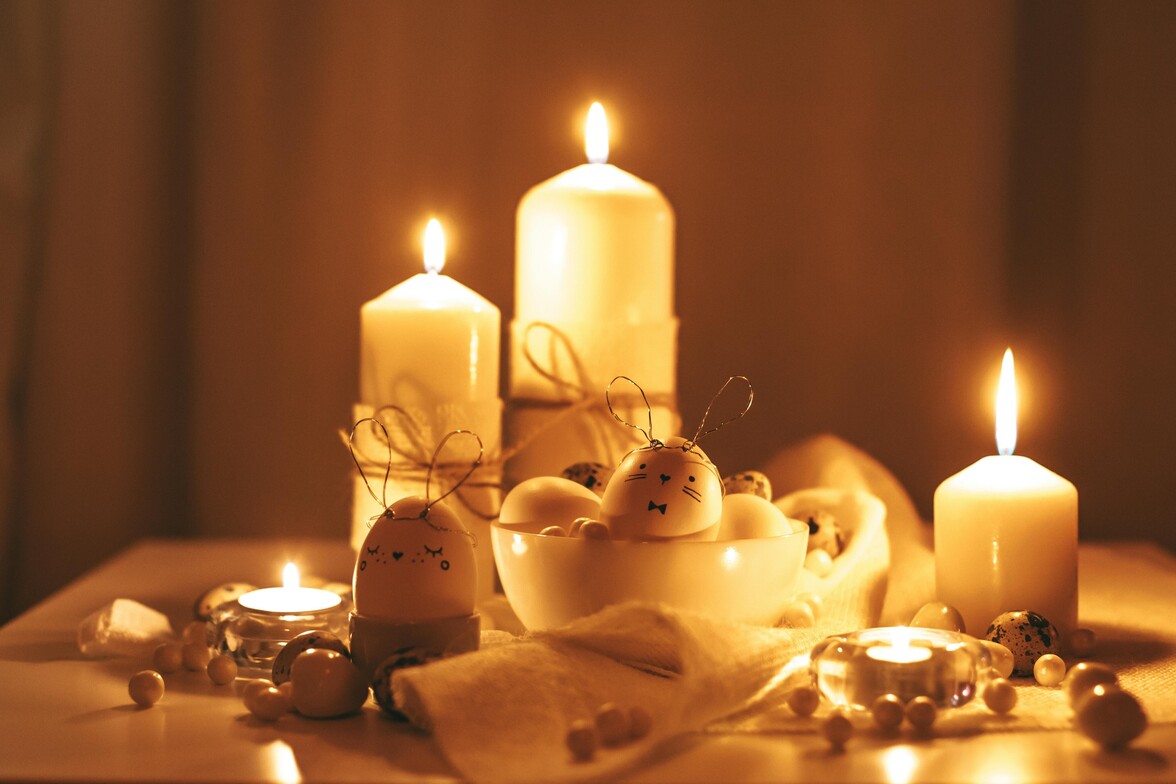
Easter, Rituals, and Remembering Loved Ones
As we move closer to Easter on April 5, 2026, I find myself reflecting on the many Easters I have experienced throughout my life. I think about those early childhood celebrations, the years spent raising my own children, and now the joy of watching my grandchildren experience Easter in their own way.
Each stage of life brings a slightly different perspective, but one thing remains constant: the importance of ritual and tradition.
Growing up in a very Christian home, Easter was deeply centered around the religious meaning of the holiday. The weeks leading up to Easter carried a sense of anticipation. While we didn’t always strictly observe every aspect of Lent, the days between Good Friday and Easter Sunday were especially meaningful in our household.
These days were filled with church services, reflection, and time spent focusing on the faith-based meaning of the season.
At the same time, our family also embraced the lighter traditions of Easter. The arrival of the Easter Bunny was always exciting. There were chocolate treats, colourful eggs, and of course a wonderful Easter meal shared together around the table.
Looking back, it was a beautiful balance of faith, celebration, and family connection.
Creating Our Own Easter Traditions as a Family
When I began raising my own children, I noticed that our Easter traditions evolved a little. Some of the rituals from my childhood remained, but others shifted to fit our lives and our growing family.
The religious aspect was still present, although perhaps not quite as central as it had been when I was growing up. What became more important was the time spent together and the traditions we created as our own family.
Like most families, we adapted things over time. Some traditions stayed exactly the same, others slowly faded away, and a few new ones were created along the way.
Looking back now, I realize that what mattered most wasn’t whether we followed traditions perfectly.
What mattered was that we had them.
Those rituals helped create memories, strengthen family bonds, and give our celebrations a sense of meaning and continuity.
Why Rituals Are Important in Everyday Life
Over the years, I have come to see just how important rituals are in all areas of life. I remember attending a workshop facilitated by Dr. Jane Simington where she shared a phrase that has stayed with me ever since:
“Ritual makes reality safe.”
I’m not certain if it was originally her phrase, but she certainly introduced the concept to me in a powerful way.
When we think about it, rituals are everywhere in our daily lives.
We have morning rituals when we wake up — making coffee, reading the news, taking the dog outside, or simply enjoying a few quiet minutes before the day begins.
We also have evening rituals that help us wind down — brushing our teeth, turning off lights, reading a book, or preparing for sleep.
These simple patterns provide structure, comfort, and a sense of stability in our lives.
The Role of Rituals in Grief and Loss
Yet when it comes to some of the most sacred and difficult moments in life, we sometimes move away from ritual.
One example is how we respond to death and loss. More and more often, families are choosing not to hold traditional funerals or memorial services. Sometimes this decision reflects the wishes of the person who has died, and sometimes it is simply because families feel unsure about what to do.
Personally, I believe ritual remains incredibly important when someone dies.
That ritual does not have to look like a traditional funeral service. It can take many different forms depending on what feels right for the family.
It might be:
- A small gathering in someone’s home
- A backyard barbecue
- Meeting friends for tea or coffee
- Sharing stories in a favourite park or meaningful place
What matters most is the act of coming together.
Ritual gives us an opportunity to acknowledge that a life mattered. It allows community members — friends, family, and neighbours — to gather and say, in their own way, this person was important to us.
For those who are grieving, that shared recognition can be deeply comforting.
Holidays and the “Crying Times” of Grief
Rituals also appear strongly in family traditions and cultural celebrations. Holidays, birthdays, and anniversaries often hold deep emotional meaning.
For people who are grieving, these dates can be especially difficult, particularly in the first few years after a loss. In grief work, these moments are sometimes referred to as the “crying times.”
Holidays that once brought joy can suddenly feel overwhelming.
Many people feel pressure to continue traditions exactly as they always have. We may feel responsible for keeping things together for the sake of others.
But sometimes continuing the same traditions feels too painful.
Some people choose to step away from holiday celebrations for a while. Others create new traditions or modify existing ones.
There is no right or wrong choice.
Be Gentle With Yourself During Difficult Holidays
Perhaps the most important message during difficult holiday seasons is this:
Be kind to yourself.
Do as much — or as little — as you feel able to do.
Some people find it helpful to plan something new. This might include:
- Lighting a candle in memory of a loved one
- Sharing stories about them with family
- Cooking a favourite meal they enjoyed
- Taking a quiet walk in nature
- Visiting a meaningful place
Sometimes these new rituals feel comforting. Other times they may not feel right. That is perfectly okay.
If something doesn’t work this year, you can always try something different next year.
Self-care also becomes especially important during these times. Getting enough rest, setting boundaries, and surrounding yourself with supportive people can make a significant difference.
Grief is deeply personal, and every person’s journey through it is unique.
Creating Personal Rituals to Remember Loved Ones
Over the years, I have created small personal rituals that help me remember those who have died and remain important in my life.
Sometimes it is something simple — visiting a place that reminds me of them, cooking a meal they loved, or quietly reflecting on shared memories.
These small acts help keep their presence alive in meaningful ways.
In the end, I often return to the same question:
How can we create something — no matter how small — that allows us to remember?
Because remembering, in its own quiet and gentle way, may be one of the most meaningful rituals of all.
.jpeg)
Rob Smith
Contact Me